Eight ways to mitigate health risks in relation to Li-Ion batteries
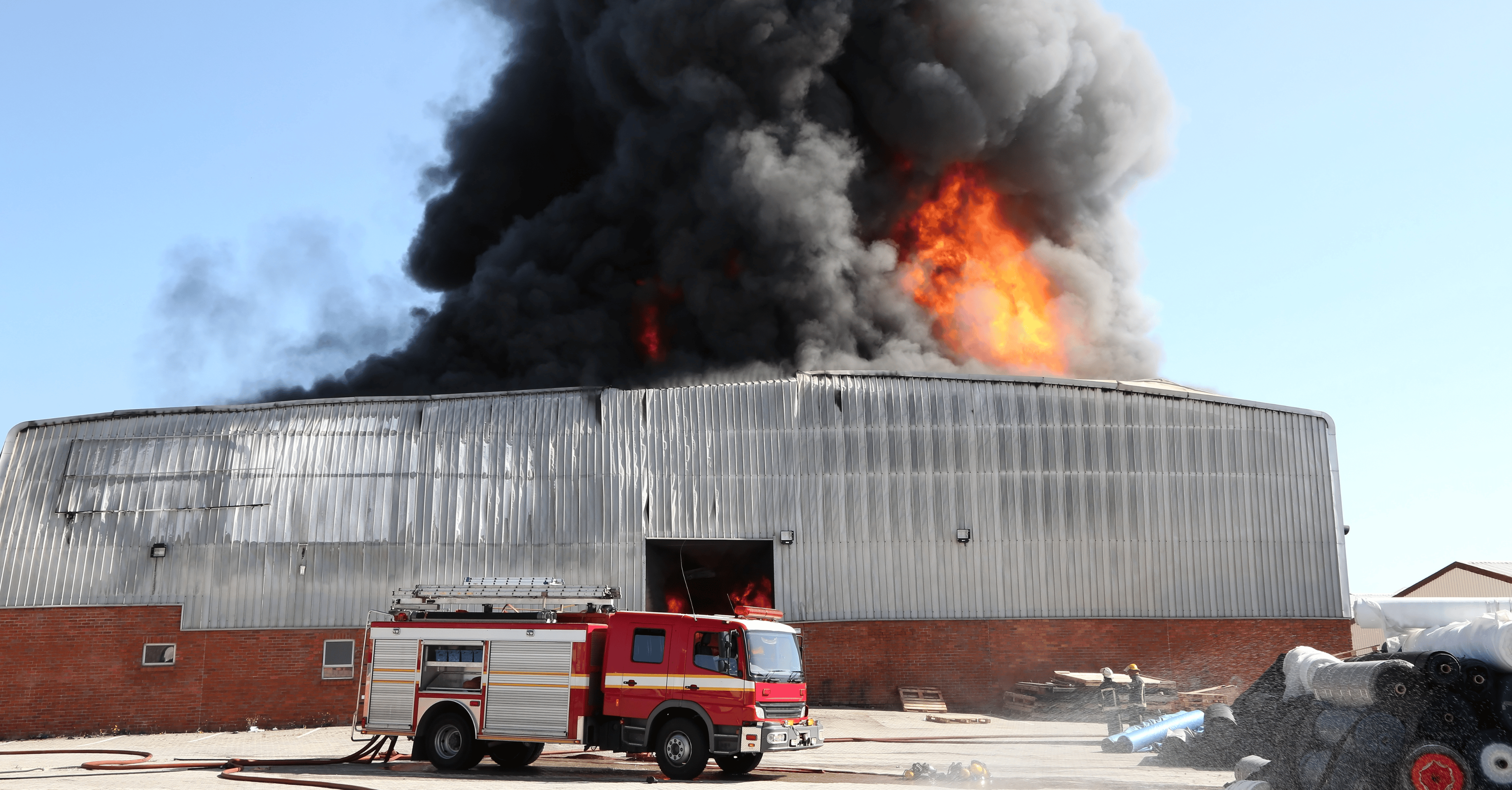
Lithium-Ion batteries are found in almost every home, business, and workplace in the modern world. As Li-Ion cells power the lives of millions of people every day, we take a closer look at some of the health and safety risks associated with these batteries.
The risk of fire posed by Lithium-Ion (Li-Ion) batteries is well documented, regularly featuring in headlines and dominating conversations around electric vehicles (EV), battery energy storage systems (BESS) and battery waste handling.
Frequency is growing too; the London Fire Brigade (LFB) reported callouts to battery fires once every two days in 2023, and the running total of ‘e-fires’ in the capital had already outstripped the 116 recorded in 2022 by September[1].
But why are the risks of a Li-Ion fire different to other types of fire?
Thanks to a phenomenon called thermal runaway, within a Li-Ion battery any internal fault or external conditions (such as overcharging or mechanical damage) can begin an irreversible and uncontrollable self-heating state. Once a battery begins heating in a thermal runaway, it can only end one way: with extremely high temperatures, fire, smoke, and vapours.
Thanks to the fast-building intensity of thermal runaway, the time between the fault or damage occurring and the release of toxic vapour during a fire can sometime be just a few minutes, or even seconds.
Additionally, Li-Ion battery fires not only burn for much longer periods than ‘normal’ fires, but they can reignite hours, days, or even weeks later, and multiple times – making the risk much more complex.
While the risk to property is widely discussed in the context of Li-Ion fires, there is less conversation around what risk managers should be aware of when considering health risks in those same events.
Although contact with toxic materials is unlikely when handling Li-Ion batteries in a controlled manner, if the integrity of the battery housing is damaged, or the cell catches fire, the explosion can often be so violent that it shatters the battery. This immediately releases a dangerous shower of fragments, corrosive chemicals, and poisonous vapour – highly hazardous health risks for anyone nearby.
Highly hazardous: the risk to life
Highly toxic combustion products from Li-Ion fires can result in damaging and even fatal health outcomes for those exposed to them.
Vapour clouds can form when a Li-Ion battery explodes without the gases igniting or being vented to atmosphere. Such containment can occur in a closed storage room or a shipping container where there are no immediate ignition sources.
This vapour cloud is not like smoke, it’s a mixture of toxic and explosive gases. Often it will not spread like smoke - due to differences in density it pools at ground level, proving more dangerous to those trained to stay low during a fire to avoid inhalation.
In fact, even in instances where the gases can disperse, there is still the possibility that toxic health effects may occur from brief exposure, albeit at a lower impact.
Battery substances posing serious health risks:
Advice for risk managers
Risk prevention strategies are essential to mitigate health risks in relation Li-Ion batteries. In addition to undertaking a fire risk assessment, firms should develop a comprehensive procedure to prepare for emergency events, in consultation with relevant employees.
Emergency procedures should be structured so that all those working with or near Li-Ion batteries have a thorough understanding of actions they should take, alongside any specialist clean-up of released materials.
Employees should be made aware than manual fire extinguishers do not work effectively on Li-Ion battery thermal runaway fires. Extinguishing the flames changes the threat from a fire hazard to an explosion hazard, so employees should evacuate immediately and call the Fire Brigade rather than attempting to tackle a Li-Ion battery fire themselves.
Whilst specific control measures implemented will be guided by an individual site risk assessment, in response to health and safety risks, they are likely to recommend firms to:
- Identify a suitable local exhaust ventilation of the battery charging area
- Establish a requirement to wear suitable personal protective equipment (PPE) including gloves, eye protection, boots, and apron.
- Segregate the charging area: access for authorised personnel only
- Ban metal objects in pockets which could fall onto the battery or bridge across its terminal
- Keep sources of ignition (such as flames, sparks, electrical equipment, hot objects, and mobile phones) away from batteries that are being charged, have recently been charged, or are being moved
- Use suitable single-ended tools with insulated handles, and fit temporary plastic covers over the battery terminals when handling
- Maintain a readily-accessible and in-date supply of the antidote to exposure to hydrofluoric acid – calcium gluconate gel. Whilst suitably trained first aiders can administer the gel, in view of the severity of the effects of exposure to hydrofluoric acid and the swiftness with which it is desirable to apply the antidote, consider specifically training individuals in its application in any area where exposure may occur.
- Ensure hand washing facilities with warm water are available
This guidance has been produced in partnership with Finch Consulting
[1] https://www.constructionnews.co.uk/health-and-safety/buildings-are-at-risk-of-ferocious-fires-caused-by-lithium-ion-batteries-13-09-2023/