Introduction
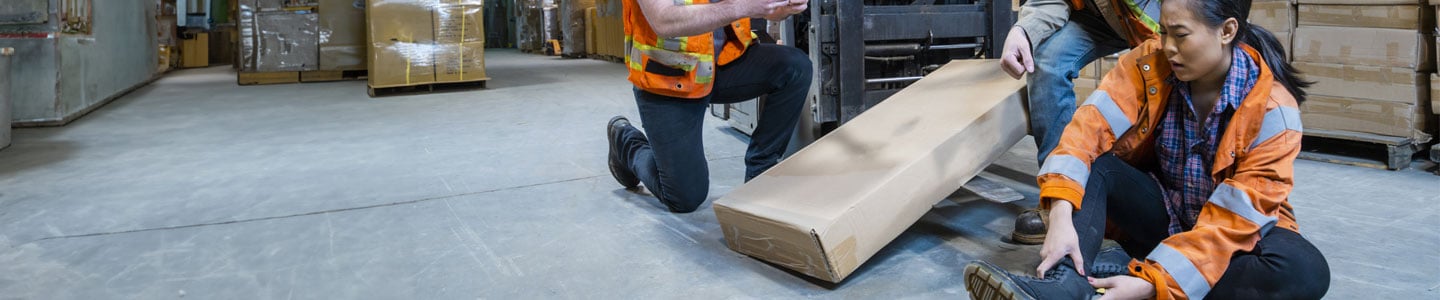
Slips, trips, and falls are among the most common causes of workplace injuries, presenting significant risks to employees and employers alike. These incidents can occur in any work environment, from offices and retail spaces to construction sites and factories. Slips often happen when floors are wet or oily, when there are unexpected spills, or when employees wear inappropriate footwear for the conditions. Trips are frequently caused by uneven flooring, loose mats, or obstructed pathways, leading to sudden and unexpected falls. These accidents can result in a range of injuries, from minor bruises and sprains to severe fractures, head injuries, and even fatalities. The financial impact of such incidents includes medical expenses, lost productivity, and increased insurance premiums, making it imperative for employers to address these hazards proactively.
The risks associated with slips, trips, and falls are exacerbated by factors such as poor lighting, cluttered workspaces, and inadequate maintenance of facilities. Poor visibility can prevent employees from noticing hazards like spills or uneven surfaces, increasing the likelihood of accidents. Similarly, cluttered work areas with cables, boxes, or tools strewn about can create trip hazards. Regular maintenance and housekeeping are crucial in mitigating these risks; ensuring that walkways are clear, floors are in good repair, and spills are promptly cleaned up can significantly reduce the occurrence of such accidents. Additionally, implementing proper signage to warn employees of potential hazards can further help in preventing slips, trips, and falls.
Slips, Trips and Falls Toolkit
Risk Insight
Risk Insight: Slips Trips & Falls
Risk In Practice
Risk In Practice: Slips Trips & Falls Toolkit
Risk Essentials
Risk Essentials: Slip Potential Model
Risk Essentials: Human Factors
Risk Essentials: Resistant Flooring
Risk Essentials: Essential Entrances
Risk Essentials: Stairs and Steps
Risk Essentials: Contamination
Risk Essentials: Cleaning Regimes
Risk Essentials: Managing Trips